If you’ve been taking pictures for a while, you’ve probably experienced this. You look at a photo, and it’s okay, but it seems a little flat, or there’s too much going on in the frame. You try it in black and white just to see what happens, and it finally looks the way you pictured it when you took it. The shadows have more punch, and your eye goes right to the subject instead of wandering around the frame.
That isn’t luck. Black-and-white photography tends to shine in specific kinds of situations, and once you learn to recognize them, you can plan for monochrome before you ever press the shutter. We encourage students in our classes at the Queens studio to watch for these moments, and here are the ones that come up most often.
When Light and Shadows Are Doing the Heavy Lifting
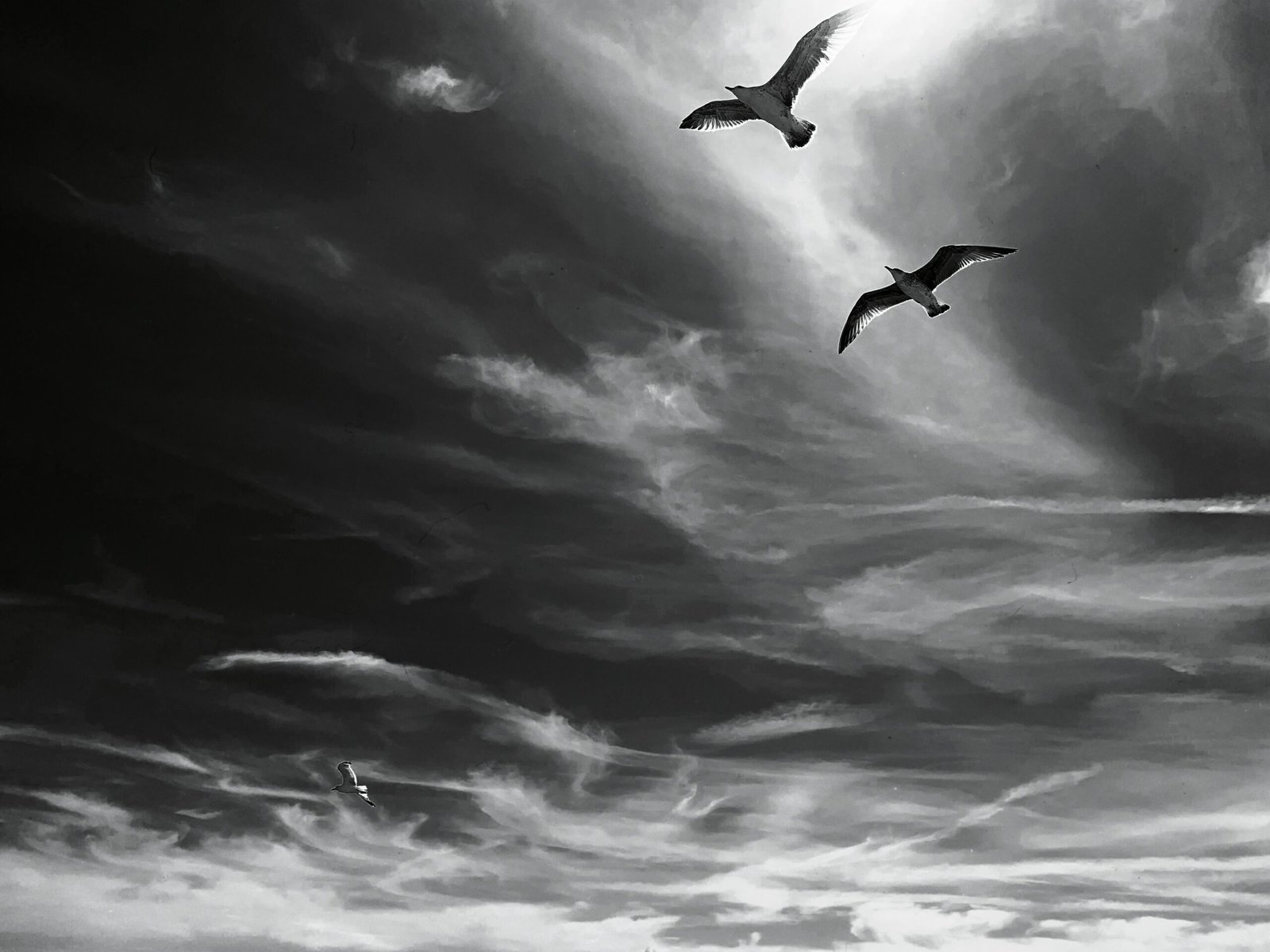
Scenes where bright light sits right next to dark shadow are some of the best candidates for black and white. You might see sunlight pouring through a window into an unlit hallway, or a fire escape throwing its shadow across a brick building. A face lit from one side with the other side in darkness works the same way. You can get a lovely photo of any of these in color, but the colors can distract from the light itself. In black and white, the light and shadow become the whole picture.
Photography teacher Michael Sladek puts it well in a piece for PetaPixel, noting that monochrome images are usually strongest when they include both deep blacks and bright whites rather than a range of muddy grays. If the most interesting thing about a scene is the way the light falls, black and white lets that light become the subject.
When Texture Is the Real Subject
It’s easy to miss texture when a photo is full of color. Once the color is gone, you start to notice the surface of things, and details you’d normally walk right past become the most interesting part of the picture. Old wooden fences, flaking paint on a door, cobblestone streets, tree bark, the lines on a grandparent’s hands, or the knit of a heavy sweater usually look a lot more striking in black and white.
Side lighting makes this even stronger, because it creates tiny shadows in every groove and bump. If you find yourself drawn to how something feels rather than what color it is, that’s a good hint to try it in monochrome.
When the Colors Are Working Against You
You can’t always control what’s behind your subject when a good moment happens. There might be a bright red trash can in the corner of the frame, a glowing sign, someone walking by in a yellow jacket, or a wall painted a strange green, and suddenly that’s what people notice first. Switching to black and white takes attention off those colors, so you can keep the shot as-is without cropping anything out.
Mixed lighting is another common problem. Indoors, you might have warm light from a lamp, cool light from a window, and greenish light from an overhead fixture all hitting the same person. Correcting all of that in color can be nearly impossible, but in black and white, the color casts simply disappear, leaving only brightness and shadow.
When You Want the Focus on Emotion
There’s something about a black-and-white portrait that feels closer and more personal. When the color is gone, people look right at the person’s face, and they pick up on small things like the look in someone’s eyes, a half smile, or a worried frown. That’s why black and white works so well for emotional moments, candid event photos, and portraits you want to keep for years.
It’s also kind to the person in the photo. Red patches on the skin, uneven skin tone, and clothing that clashes with the background are much less noticeable in black and white, so the person and their expression come through.
When Shapes and Lines Drive the Composition
Some photos are really about geometry. A spiral staircase, the repeating arches of a bridge, a silhouette against a bright sky, or a row of columns casting identical shadows all rely on shape and form. In black and white, those elements become bolder and easier to read.
This is especially true when you’re using leading lines to move the viewer’s eye through the frame. With color out of the way, a strong line has nothing competing with it, so its path to your subject feels even more direct.
When the Weather Turns Gray
Cloudy skies, fog, rain, and snow tend to make color photos look drab. In black and white, that same weather can give your pictures a lot of mood. Fog fades the background into soft shades of gray, and wet streets pick up reflections from nearby lights and buildings. Snow gives you bright, clean white that looks great next to dark tree trunks or buildings.
Rather than putting the camera away on a gloomy day, it’s worth heading out specifically to shoot in black and white. Some of the most striking city photos are taken on days most people would consider bad weather.
When You’re Stuck With Harsh Midday Sun
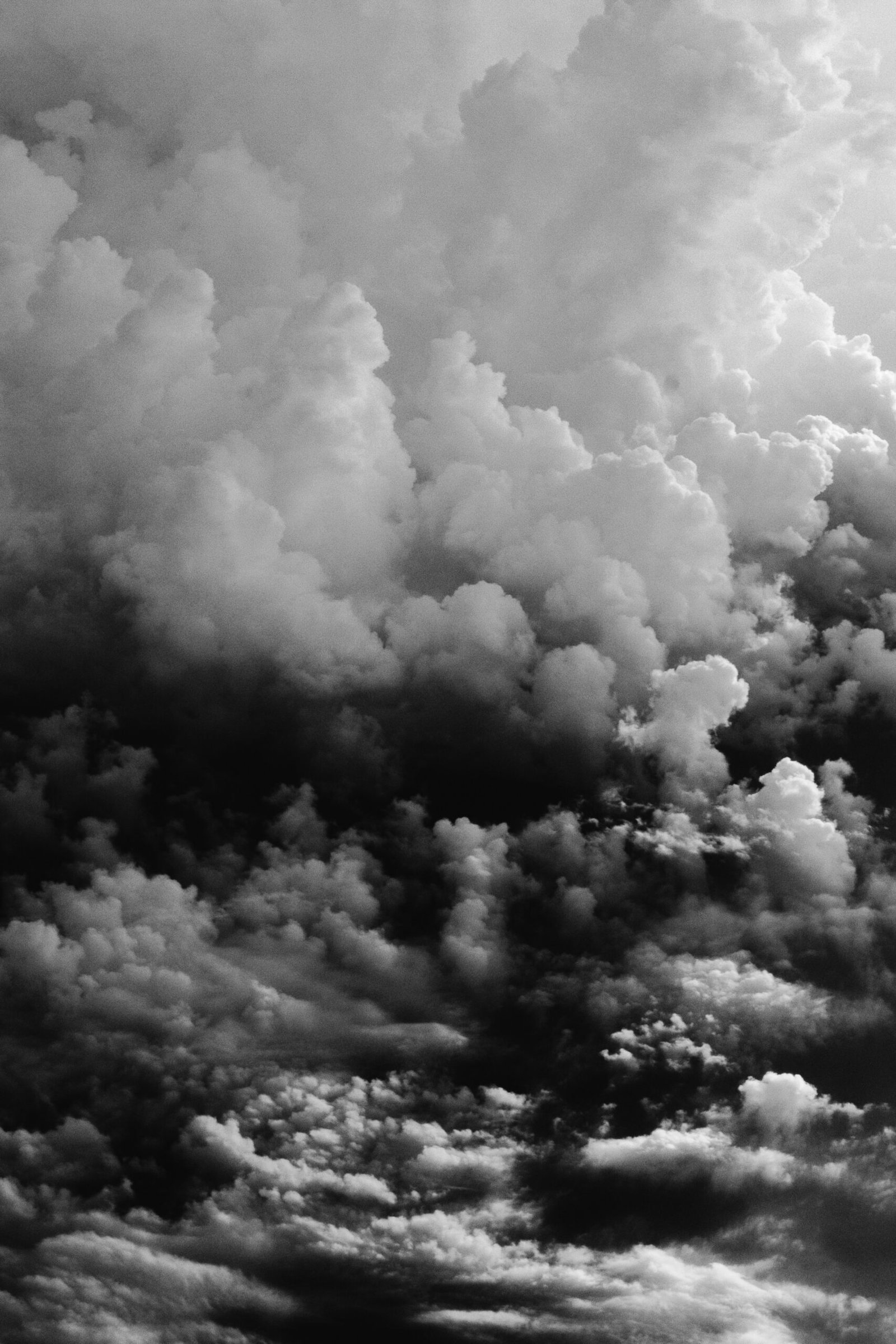
Bright overhead sun is usually considered the worst light for photography. It creates hard shadows and blown-out highlights, and colors can look bleached. But that same harshness can become a strength in black and white. The deep shadows and bright highlights create bold, graphic images, especially in architecture and street photography.
If you have to shoot in the middle of the day, look for scenes where those hard-edged shadows form interesting shapes and plan to finish them in monochrome.
When the Subject Feels Timeless
Black and white carries a sense of history. Street scenes, old buildings, classic cars, and documentary moments often feel more timeless without color, partly because so many of the photographs we associate with the past were made that way. Ansel Adams, one of the most celebrated landscape photographers of all time, built his reputation on black-and-white images of the American West. The National Archives holds 226 of the national park photographs he made for the Department of the Interior in 1941 and 1942, and they’re a great place to study how he used tone and contrast instead of color.
You don’t have to be photographing a mountain range for this to apply. A corner bodega, a quiet subway platform, or an old storefront in Queens can take on that same classic quality in black and white.
When City Lights Clash at Night
Night scenes in a city are full of competing light sources. Streetlights glow orange, storefronts spill out white and blue, traffic signals flash red and green, and screens add their own tint to everything nearby. In color, all of that can look chaotic, and it’s often hard to get skin tones or building colors to look natural.
Black and white simplifies it. Every light source becomes a bright spot against dark surroundings, and the scene turns into a pattern of glowing windows, reflections on wet pavement, and silhouettes of people passing by. A late-night walk along a busy avenue in Jackson Heights or under the elevated tracks in Astoria can produce some of the most atmospheric black-and-white photos you’ll ever take.
When You Need a Set of Photos to Feel Consistent
Sometimes the reason to choose black and white has less to do with a single image and more to do with a set. At an event, for example, you might shoot in a sunny courtyard, a dim banquet hall, and a hallway lit by fluorescent tubes, all within the same hour. In color, those photos can look like they came from three different days.
Converting the whole set to black and white ties them together. The color-temperature differences disappear, and the photos read as one cohesive story. This works especially well for photo essays, family albums, and behind-the-scenes collections where consistency matters as much as any individual shot.
When Color Is the Story, Keep It
Black and white isn’t always the better choice. If the most important part of the image is color, like autumn leaves, a sunset, a vibrant street festival, or a bright bowl of fruit, converting it will usually take away what made it special. The goal is to choose monochrome because it strengthens the photo, not to rescue a picture with no clear subject.
How to Spot These Moments While You Shoot
If you want to get better at seeing in black and white, try setting your camera to monochrome mode while shooting in RAW. As you take pictures, the screen or viewfinder will show you everything in black and white, which helps you judge the light and contrast in the moment. Because RAW files still record all the color, you won’t lose anything, and you can decide later whether each photo works better in color or black and white. After a few outings like this, you’ll probably notice that you’re picking out dramatic shadows, rich textures, and strong shapes long before you raise the camera.
It also helps to understand how your settings shape the scene. A slower shutter speed, for example, can turn moving water or clouds into smooth gray tones that contrast nicely with sharp rocks or buildings, which is a combination that works beautifully in black and white.
If you’d like help seeing these opportunities in person, Dan Doyle teaches photography courses at our studio in Queens, and black and white is one of our students’ favorite topics to explore.