Right after someone books a headshot session with us, the first question they usually ask is what they should wear. It makes sense. Your clothes take up a good part of the frame, and the wrong top can pull attention away from your face or make an otherwise great photo look dated in a year. The good news is that choosing a headshot outfit gets a lot easier once you know what the camera likes and what it doesn’t.
These are the same wardrobe tips we share with clients before they come into our Queens studio, whether they’re updating a corporate profile or putting together a new set of acting headshots.
Dress for Where the Headshot Will Be Used
Before you open your closet, think about who will see the photo. A headshot for a law firm’s website calls for something different than one for a graphic designer’s portfolio or an actor’s casting profile. A good rule is to dress the way you would for an important day at work in your field, maybe one small step more polished.
If you’re mostly going to use the photo as your LinkedIn headshot, picture what people in your line of work usually wear to a client meeting and start there. The best choice is usually something you already own and feel good in, since people can tell in a photo when you’re comfortable in your clothes.
Choose Solid Colors Over Busy Patterns
You really can’t go wrong with solid colors in a headshot. They keep people looking at your face, and they won’t make the photo feel dated in a few years. Big prints, logos, and graphics tend to draw attention away from you, and that gets worse when your headshot appears as a small thumbnail on a website or profile.
Very fine patterns can cause a separate issue. Thin stripes, small checks, houndstooth, and some tightly woven fabrics sometimes show up in digital photos with a strange wavy or rippling look called moiré. Nikon explains that this happens when the fabric pattern lines up with the camera’s sensor pattern, and the two combine into a new pattern that isn’t actually on your clothes. Since moiré can be tough to remove in editing, it’s usually easier to skip those pieces. If you really want to wear a patterned shirt, bring it along with a solid one, and we’ll take a few test shots to see how it looks.
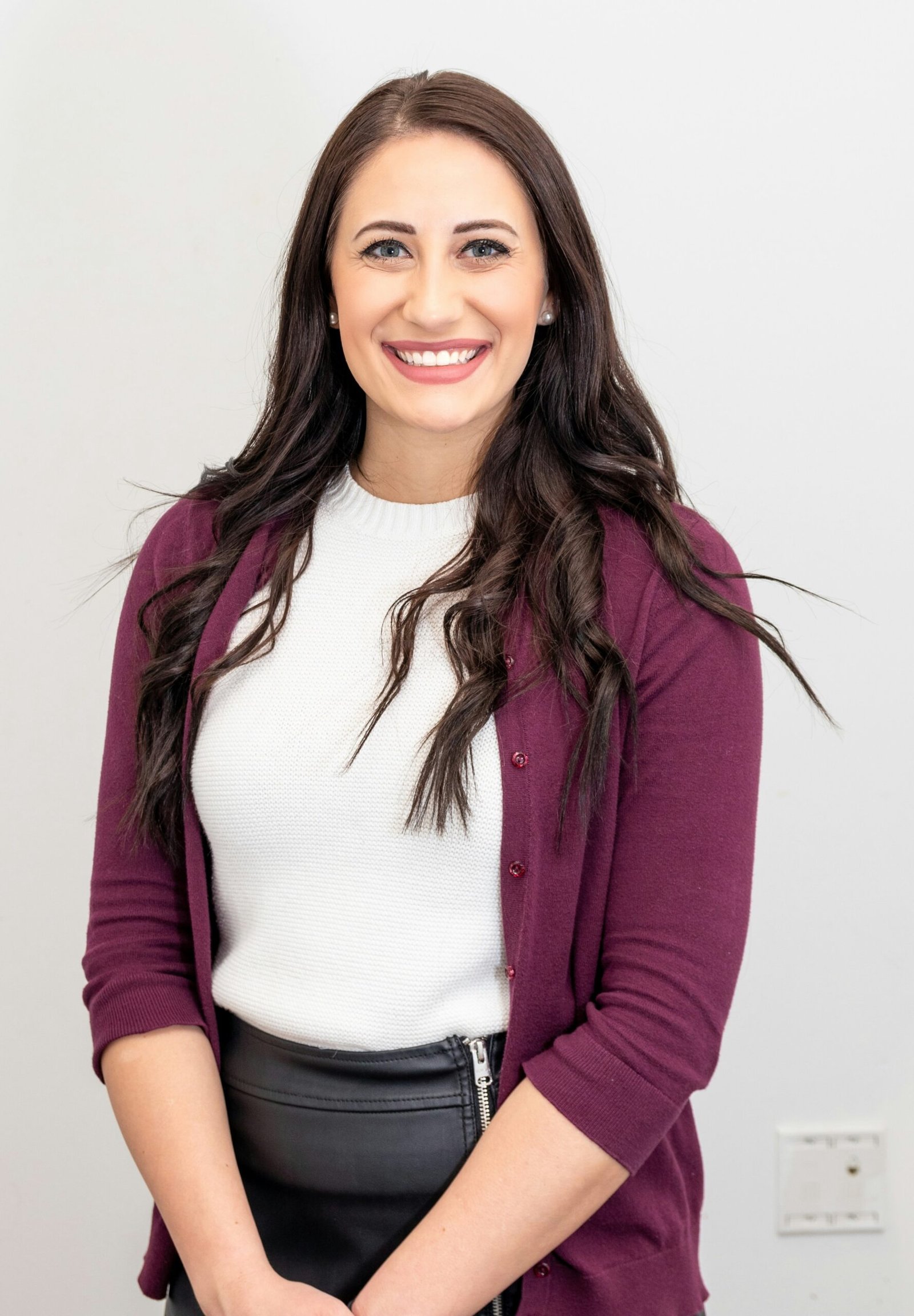
Pick Colors That Flatter Your Skin Tone
Deeper, richer colors look good on camera for almost everyone. Shades like navy, burgundy, forest green, plum, charcoal, and soft blue add color to the photo while still letting your face be the main focus. Backstage recommends picking colors based on your skin’s undertone. If your undertone is cooler, blues and blue-based colors usually suit you best; if it’s warmer, you’ll probably look great in reds, rusts, and other warm shades.
It’s a good idea to skip neon and other very bright colors, because they can reflect a tint onto your skin and draw the eye away from your expression. Bright white can cause trouble for a similar reason. It’s often the lightest thing in the frame, so people tend to look at it first. If white is your go-to, try an ivory or cream top under a blazer or cardigan instead.
Think About Contrast With the Background
Your outfit and the background need to work together. If you wear a gray sweater in front of a gray backdrop, you can blend into it and lose the outline of your shoulders. A darker top against a light background, or a lighter top against a dark background, helps you stand out and adds depth to the photo.
If you know what background your photographer plans to use, choose your clothes with that in mind. We cover how background colors affect a portrait in our guide to choosing the right photography backdrop, and it’s always worth asking your photographer ahead of time.
Pay Attention to Your Neckline
Because most headshots are framed from the chest up, your top’s neckline plays a bigger role than you might expect. Crew necks, V-necks, button-down collars, and soft scoop necks all frame the face nicely. Very high necklines, like turtlenecks, can work for a fashion or creative look but sometimes make the neck appear shorter in a tight crop.
Very low necklines and strapless tops usually don’t work well for professional headshots. When the photo is cropped close, it can look like you aren’t wearing anything at all, which isn’t the impression most people want on a company website.
Make Sure Everything Fits Well
Fit matters more than brand or price. A jacket that’s too big in the shoulders can make you look swallowed up, and a shirt that’s too tight can pull across the chest and create distracting creases. Choose pieces that fit you well right now, not the size you hope to be or the one you wore a few years ago.
Steam or press everything the night before. Wrinkles show up clearly in high-resolution photos, and a wrinkled collar is one of the most common things people wish they had fixed after the fact. Pay extra attention to shirt collars and jacket lapels, since those sit right next to your face.
Use Layers to Add Depth
A simple layer can make a headshot look more polished. A blazer over a solid top, a cardigan over a collared shirt, or a light jacket over a T-shirt adds shape and dimension to the frame. Layers also give you more looks without bringing a whole second outfit, since you can take the jacket off halfway through the session for a more relaxed version.
Choose Fabrics That Photograph Well
Matte fabrics like cotton, wool, and good-quality knits usually photograph better than shiny materials. Satin, silk, and other glossy fabrics can reflect studio lights and create bright hot spots on your clothing. Sheer fabrics can look different under strong light than they do in the mirror at home, so bring a backup if you’re not sure.
Keep Accessories and Jewelry Simple
Accessories should support your look, not steal the show. Small earrings, a thin necklace, or a simple watch are usually fine. Large statement jewelry, big hoops, and anything very shiny tend to catch the light and pull attention away from your face.
If you wear glasses every day, wear them in your headshot so people recognize you. Clean the lenses well, and if you have a pair with anti-glare coating, bring those. We can adjust the lights to reduce reflections, but a good coating makes it much easier.
What to Wear for Corporate Headshots
For most corporate headshots, classic and simple works best. Think of a well-fitted blazer or suit jacket over a solid shirt or blouse, in colors like navy, charcoal, or deep blue. Ties are optional in many industries now, so follow your workplace norms. If your company is shooting headshots for a whole team, agree on a general dress code ahead of time so everyone’s photos look consistent on the website.
What to Wear for Actor Headshots
Acting headshots follow slightly different rules. The goal is to show casting directors who you are and the kinds of roles you can play, so your clothes should hint at a type without turning into a costume. Backstage makes the same point, noting that items that are too specific, like a doctor’s white coat or a cowboy hat, can limit how casting directors see you.
For commercial headshots, brighter colors and casual pieces like a simple sweater or fitted T-shirt usually work well. For theatrical headshots, darker and more muted tones help set a more serious mood.
What Not to Wear
A few things almost always cause trouble in headshots. Clothes with logos, slogans, or large graphics are distracting and can make a photo look casual in a way you didn’t intend. Wrinkled or faded clothing looks sloppy up close. Anything uncomfortable, whether it’s too tight, too itchy, or too new to feel natural, tends to show up in your posture and expression. If you’d feel self-conscious wearing it to an important meeting, it probably isn’t right for your headshot either.
Bring More Than One Option
Even with careful planning, something you loved at home might not look quite right on camera. That’s why we always suggest bringing two or three outfit choices to your session. Hang them up on the way over so they don’t wrinkle, and bring a couple of different layers or tops in varying colors. Your photographer can take a few test shots and help you decide what works best.
If you’re ready to book, our photo services include headshot sessions for individuals and teams at our Queens studio, and we’re always happy to help you pick the right outfit before the shoot.