Once students in our beginner classes start looking for their first real camera, almost all of them ask us about mirrorless vs DSLR. Usually they’ve already spent hours reading reviews and watching videos, and they’re more unsure now than when they started. Talking to other photographers doesn’t always help either, since many have strong opinions and are happy to share them.
The truth is that both types of camera can take beautiful photos. For someone just starting, the better question is which one will be easier to learn on, more enjoyable to carry, and a smarter investment over the next few years. Here’s how we help beginners at our Queens studio make that choice.
The Viewfinder Can Make Learning Easier
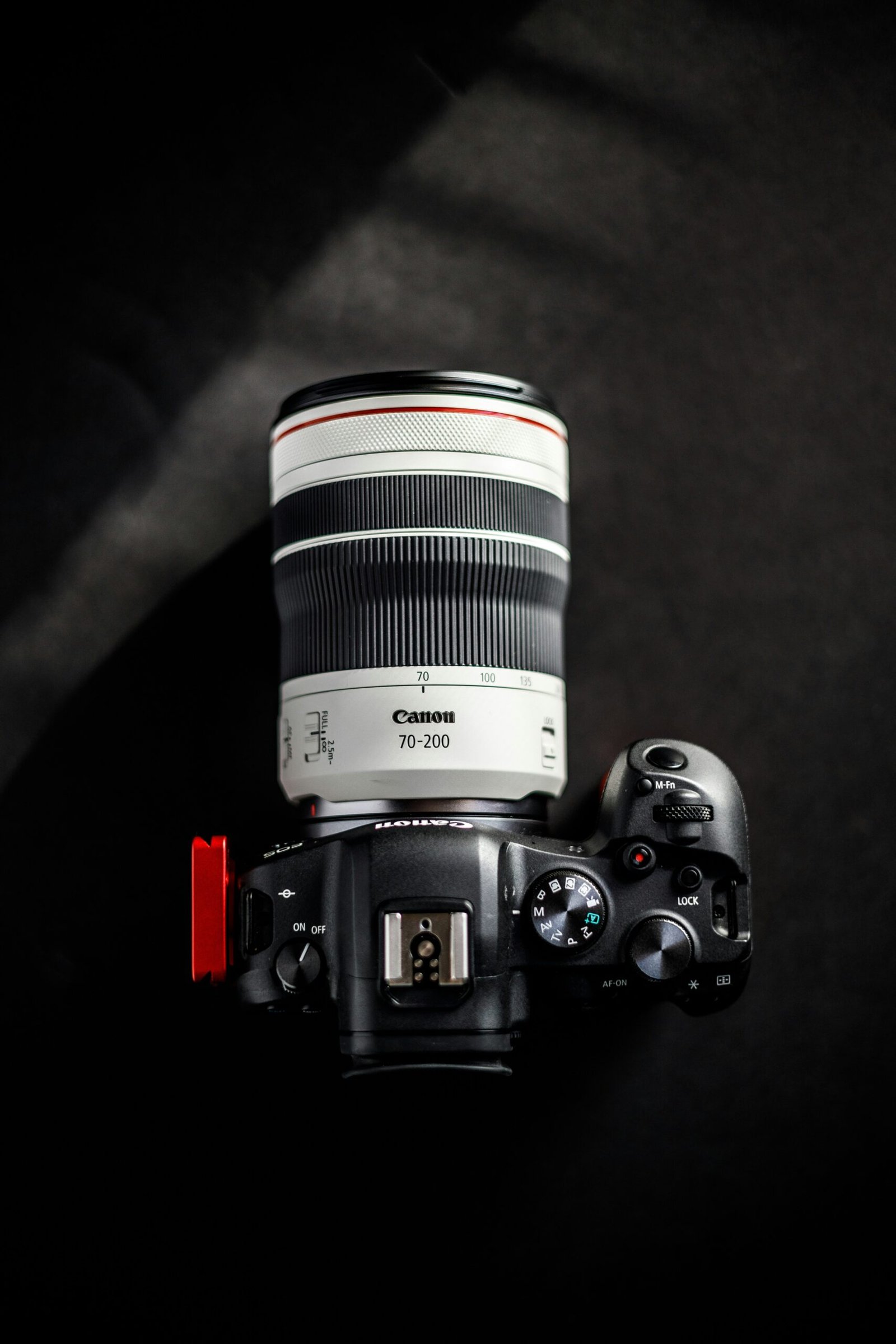
Put a DSLR and a mirrorless camera up to your eye one after the other, and you’ll see the main difference right away. With a DSLR, a mirror inside the body sends light up to the viewfinder, so what you’re seeing is the real scene, just like looking through a window. A mirrorless camera doesn’t have that mirror. It shows you a live feed straight from the sensor instead, on a tiny screen inside the viewfinder or on the larger display on the back.
That sounds like a small technical detail, but it changes how quickly you learn. According to Nikon’s comparison, a mirrorless camera can preview exactly how your photo will look before you take it, including the effect of your exposure and white balance settings. When you change the aperture or turn the shutter speed dial, you see the image get brighter or darker right away. With a DSLR, you usually have to take the picture and check the screen afterward to see what happened.
Seeing the results right away helps a lot when you’re new to this. Settings like aperture and ISO can feel confusing when they’re just numbers on a dial, but they start to make sense once you can watch the picture change as you adjust them. We’ve noticed that students who learn on mirrorless cameras usually get the hang of exposure a lot sooner.
Think About How Often You’ll Actually Carry It
The best camera for a beginner is the one that comes along on the walk, the trip, or the family party instead of staying in a drawer. Because they don’t need the mirror box, mirrorless cameras are usually smaller and lighter than DSLRs with similar features. That difference adds up over a long day of sightseeing or a subway ride across the city.
That said, some people genuinely prefer the chunkier grip of a DSLR, especially if they have larger hands. If you can, hold both types in a camera store before you buy. You’ll quickly know which one feels natural and which one feels like work.
Autofocus Helps You Get Sharp Photos Sooner
It’s a letdown when you finally catch the perfect moment and then realize the photo is a little out of focus. This is one place where mirrorless cameras really help. A lot of them can find a person’s face and eyes on their own and stay locked onto them as they move around. If you’re photographing kids, pets, or friends who won’t hold still, that makes a huge difference in how many good shots you walk away with.
Another feature you’ll find on many mirrorless cameras is in-body image stabilization. The camera moves the sensor slightly to make up for small shakes in your hands, which helps keep photos sharp. Most beginner DSLRs don’t have this built in, so they depend on lenses with stabilization instead. That works fine, but you only get the benefit when you’re using one of those lenses.
Image Quality Is Closer Than You Might Think
Many beginners assume one type of camera simply takes better pictures. In reality, image quality has much more to do with the sensor inside the camera than with whether there’s a mirror in front of it. Most entry-level DSLRs and many entry-level mirrorless cameras use the same APS-C sensor size, and at that level the photos they produce look very similar.
You’ll see a bigger difference between sensor sizes. Full-frame cameras, which come in both mirrorless and DSLR versions, handle low light a little better and cost quite a bit more. For someone just starting, an APS-C camera of either type offers plenty of quality and leaves more budget for a good lens, which usually makes a bigger difference in your photos than the body does.
Battery Life Still Favors DSLRs
This is one area where DSLRs still come out ahead. Since they don’t have to power an electronic viewfinder all the time, they usually get many more shots per charge. Nikon notes that mirrorless battery performance has improved a lot, but the gap hasn’t disappeared completely.
For most beginners, this is easy to work around. A spare battery is inexpensive, and many newer mirrorless models can charge over USB, so a portable power bank in your bag can keep you shooting all day. If you’re planning long outings far from an outlet, though, it’s worth factoring in.
Consider Where Each System Is Headed
When you buy your first camera, you’re also buying into a lens system. Most people upgrade their lenses long before they upgrade the camera body, so it makes sense to pick a system that will keep growing with you.
Right now, the camera industry has clearly moved toward mirrorless. TechRadar reports that Nikon has stopped producing its popular entry-level D3500 and D5600 DSLRs, and that Canon has said its EOS-1D X Mark III will be its final flagship DSLR. New lenses and new features are going into mirrorless systems first. DSLR lenses won’t disappear anytime soon, and many can be used on mirrorless bodies with an adapter, but if you’re starting fresh, mirrorless gives you a longer runway.
Used DSLRs Can Stretch a Tight Budget
Price is where DSLRs can still make a strong case. Because so many photographers have switched to mirrorless, the used market is full of excellent DSLRs and lenses at very reasonable prices. If your budget is tight, a secondhand entry-level DSLR with a kit lens can be a great way to learn the fundamentals of exposure, composition, and light without spending much.
If you go this route, buy from a reputable dealer that tests and warranties used gear, and check the shutter count if the seller lists it. A well-cared-for DSLR can easily last for years of learning.
If You Want to Shoot Video, Lean Mirrorless
Many beginners today want to make videos as well as photos, whether that’s short clips for social media, family memories, or content for a small business. Mirrorless cameras are generally much better suited to video. They tend to offer smoother autofocus while recording, higher resolution options like 4K, and more video-friendly features overall. If video is part of your plans, that’s one more reason to lean toward mirrorless.
A Few Questions to Ask Yourself Before You Buy
If you’re still torn, it can help to think through how you’ll actually use the camera. Start with what you want to photograph most. Kids and pets move fast and benefit from strong eye-tracking autofocus, while landscapes and still life are far more forgiving. Then think about where you’ll be shooting. Someone taking photos on long hikes or while traveling will appreciate a lighter body, while someone shooting mostly at home or in a studio may not mind a little extra weight.
It’s also worth being honest about your budget, including lenses, memory cards, a spare battery, and a bag. A camera that fits your budget with room for a second lens will usually serve you better than a more expensive body with only the basic kit lens. Finally, consider whether anyone in your family already owns lenses or accessories for a particular brand. Borrowing a friend’s lens for a weekend is a great way to try out new focal lengths before you spend money on them.
What We Recommend to Most Beginners
For most people buying their first camera today, we recommend an entry-level mirrorless model. The live exposure preview makes learning easier, the autofocus helps you get more keepers, the smaller size means you’ll bring it along more often, and the system will keep growing for years.
A used DSLR is still a smart choice if you’re working with a limited budget, love the feel of an optical viewfinder, or already have a few DSLR lenses from a family member. Either way, the camera matters far less than learning how to use it. Light, composition, and timing make a great photo, and those skills carry over to any camera you pick up later.
If you’ve just bought your first camera and want to get comfortable with it, Dan Doyle teaches beginner photography courses for all ages at our Queens studio. Bring whichever camera you chose, and we’ll help you get the most out of it.