Let’s say we’re making a short video for a family bakery in Astoria. The owner sits down in front of the camera and tells the story of how her grandmother opened the shop and why they still do everything by hand after all these years. It’s a great story, but if all the viewer sees for two minutes is her talking, a lot of people will lose interest partway through. When we cut in shots of her working the dough and customers lined up at the counter on a Saturday morning, it’s the same interview, but people stay with it until the end.
Those supporting shots are B-roll, the footage you cut to while the main story (the A-roll) keeps going underneath. We shoot it on nearly every video project at our Queens studio, and the reason is simple. B-roll isn’t decoration. Every good shot does a specific job for the story, and when you understand those jobs, it gets much easier to know what to film.
It Shows the Audience What They’re Hearing About
The most basic thing B-roll does is let people see what the speaker is describing. When a contractor talks about the kitchen he just renovated, viewers want to see the new cabinets. When a nonprofit director mentions the families who come to their food pantry every week, the audience should see those shelves being stocked and those bags being handed out.
When viewers can see what someone is talking about, the story is a lot easier to follow, and they’re more likely to remember it later. It helps the person on camera too. They don’t need to describe every corner of the room or walk through each step of what they do, because the footage already covers that. That leaves more time in the interview for them to talk about why the work matters to them and how it feels.
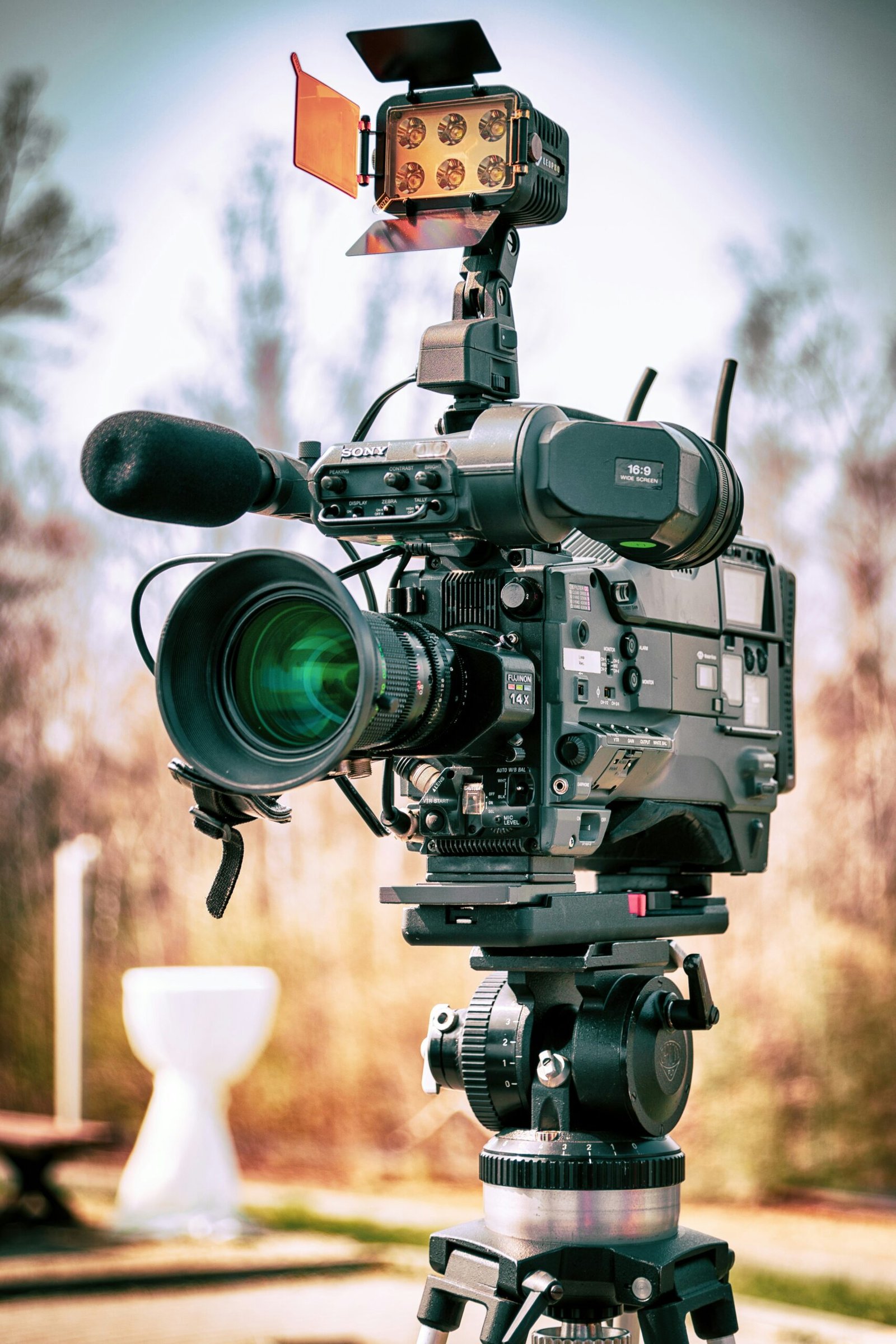
It Makes the Story Believable
It’s easy for a business owner to tell the camera that they’re always busy or that they take pride in their work. Showing it is what gets people to believe it. A restaurant owner can say the place fills up every weekend, but a shot of every table taken on a Friday night makes the point for them. The same goes for a tailor who talks about his attention to detail. Let the camera linger on his hands while he stitches a hem, and viewers can see the care he’s describing.
That kind of proof goes a long way in business videos. Most people tune out anything that sounds like a sales pitch, but they’re much more willing to trust something they’ve seen with their own eyes. When the footage lines up with what’s being said, the whole video comes across as more genuine.
This works just as well for personal stories. If someone is talking about training for their first marathon, a few shots of them running through an empty park before sunrise show how hard they’ve worked better than any description could.
It Sets the Scene Before the Story Starts
People like to know where they are before they settle in. A quick wide shot of a building, a street corner, or the room where a conversation happens gives the audience that context in just a few seconds. StudioBinder points out that sitcoms have relied on exterior shots like this for decades, since so much of the actual filming happens on a soundstage. A glimpse of the outside of the apartment building is all it takes to tell viewers where the next scene takes place.
The same idea works for real stories. In a video for a Queens business, a shot of the elevated train rumbling past, a busy sidewalk, or the storefront sign roots the story in its neighborhood without anyone having to say where it is. The location becomes part of the story instead of a detail the viewer has to piece together.
It Carries Emotion That Words Can’t
Some of the strongest moments in any video come from small details, like a father’s hands adjusting his daughter’s graduation cap, a retired firefighter resting his fingers on an old photo on the station wall, or steam rising off the first cup of coffee in a café that just opened its doors. Shots like these often say more than a full sentence of dialogue could, because they let the audience feel something on their own instead of being told how to feel.
In our experience, the most moving B-roll is usually quiet and patient. It lingers a second longer than you’d expect, and it focuses on faces, hands, and objects that carry meaning for the person telling the story. Getting those shots often means asking a few questions before the camera ever comes out. If we know that a shop owner still keeps the first dollar she ever earned taped behind the register, we can film it, and that one detail might end up being the moment viewers remember most.
It Lets You Tighten the Story Without Losing It
Real people rarely speak in perfect, finished paragraphs. They pause, repeat themselves, and wander off topic before coming back around. To tell a clear story, an editor has to trim those answers down, but cutting out part of a single shot of someone’s face causes a jump cut, where their head suddenly shifts position on screen.
B-roll solves that. As Adobe notes, cutting away to supporting footage lets editors move between soundbites or shave off time without leaving a jarring jump in the picture. The viewer hears one smooth thought and never realizes it was pieced together from three different parts of the interview. That freedom is what allows a rambling 20-minute conversation to become a focused two-minute story.
It Controls the Rhythm of the Story
Every story has a pace, and B-roll is one of the main tools for setting it. A string of quick, short clips creates energy and momentum, which is perfect for a promo or an event recap where you want the viewer to feel excitement. Longer, slower shots do the opposite. They give the audience a moment to absorb something important or sit with an emotional beat before the story moves on.
Without B-roll, an editor’s only option is to stay on the speaker, and the rhythm of the video ends up depending entirely on how fast that person talks. With it, the pacing becomes a choice you can shape to fit the story.
It Moves the Story Through Time and Place
Stories often jump forward. A morning becomes an afternoon, a construction project goes from empty lot to finished building, or a small business grows from one employee to twenty. B-roll handles those transitions smoothly. A shot of the sun going down, a clock on the wall, or a sign being hung on a finished storefront tells the audience that time has passed without stopping the story to explain it.
These transitional shots also help separate chapters in a longer video. When the topic shifts, a few seconds of B-roll signal to the viewer that something new is coming, the same way a paragraph break does in writing.
It Gives the Story a Point of View
How B-roll is shot affects how the audience feels about what they’re seeing. A handheld shot that follows someone through a crowded room puts the viewer right beside them. A high, wide shot looking down on a busy kitchen makes the scene feel orderly and complete. A tilted frame like a Dutch angle can add tension or energy to a moment in a music video or short film.
Each of those choices shapes the story in a small way. The same subject can feel intimate, grand, or unsettling depending on where the camera is and how it moves, so it’s worth thinking about the feeling you want before you start filming.
It Adds Meaning Beneath the Words
B-roll doesn’t always have to match what’s being said exactly. Sometimes the most interesting stories come from the relationship between the words and the images. A business owner talking about the long hours she worked in her first year might be paired with a shot of her locking the front door late at night under a single streetlight. She never says she was exhausted, but the audience understands.
This kind of pairing adds a layer of meaning that the interview alone can’t provide. It trusts the viewer to connect the dots, and stories that let people do a little of that work usually stick with them longer.
Let the Story Decide the B-Roll
The best B-roll starts with the story, not the camera. Before a shoot, go through the interview questions or script and ask what the audience needs to see, believe, and feel at each point. That list becomes your shot list, and every clip you capture will have a reason to be in the final cut.
If you’re planning a promo, event video, or business story and want footage that truly supports what you’re trying to say, take a look at our video services here in Queens.